• Skip to main content

Jo Squire Writes

Action Fiction Africa Female

  • Home
  • Jo Squire
  • All Books
  • Travel Blog

Uncategorized

White Gold/Black Ivory

July 9, 2023 by admin

Evening light over Africa is never quite as imagined, no matter how well you know her. Massive baobabs stand backlit by stormy skies. The glint of sunlight reflects off an elephant’s tusks. White gold or black ivory.  Superb curves created to reflect the African sun. The landscape seems eternal, her pulse carried by her humans and wild creatures. Others come and go, disconnected from the continent that cradled their ancestors.

An elephant lies motionless on the red earth, some of her blood already returned to the ground. Is the loss of her life a tragedy or life well-lived? Did she raise a legacy of calves with the help of her herd sisters? Or was she killed by poachers with a calf still inside of her?

Ivory evolved as defence. Her tusks protected her and kept predators at bay. Ironically, it’s why she was hunted and killed before her time. The tusks designed to protect became her demise. The ultimate predator decorates his house and measures his wealth with her body parts. She feared poachers and was on always on watch for danger, ready to flee at any moment, ushering her young before her.

Once, family herds searched across vast savannahs for food. Africa’s iconic heritage. Inherently gentle sentient beings. Their size protected them. Only a pride of hungry lions might take one down. Now, puny men with guns kill whole herds for greed rather than need, or at best, the needy working for the greedy.

Before the needless killing began, elephants roamed the continent peacefully, while calves gambled alongside fearlessly. Huge herds embodied Africa. Now, with mass murder, their survival suspends on threads. So much already lost. On our planet, only a little wilderness remains. We humans fear our lives being stolen even as we steal other life. We dread the void beyond death, but turn a blind eye and confer oblivion on other species.

Greed, ignorance, and apathy permit evil to puncture weak points in the universe’s fabric. Humans perched high in the food chain demand rights for themselves but neglect them for other intelligent creatures. Others reflect on immorality from a safe distance, but do nothing. Refusal to right wrongs perpetuates despair in our flawed societies. But the arrogance of man allows us no immunity to destruction.

Our anxiety remains from when we were both predator and prey. Hunter or hunted. It’s always survival. Now as predators, we might go hungry and endure the elements, but we rarely spend every moment on alert, aware that any mistake could prove fatal. Only man, predator of predators, can luxuriate under sunny skies with a full belly and imagine immunity as he perpetrates pain on other sentient beings. Our prey must remain ever alert, obliged to suffer lives of vigilance. There is no escape though. The down-side of our human nature holds us captive. Within our concrete jungles, all sorts of human-predators prowl. If we could learn to respect other beings, we might rediscover our souls.  
Filed Under: Elephant Planet, Uncategorized

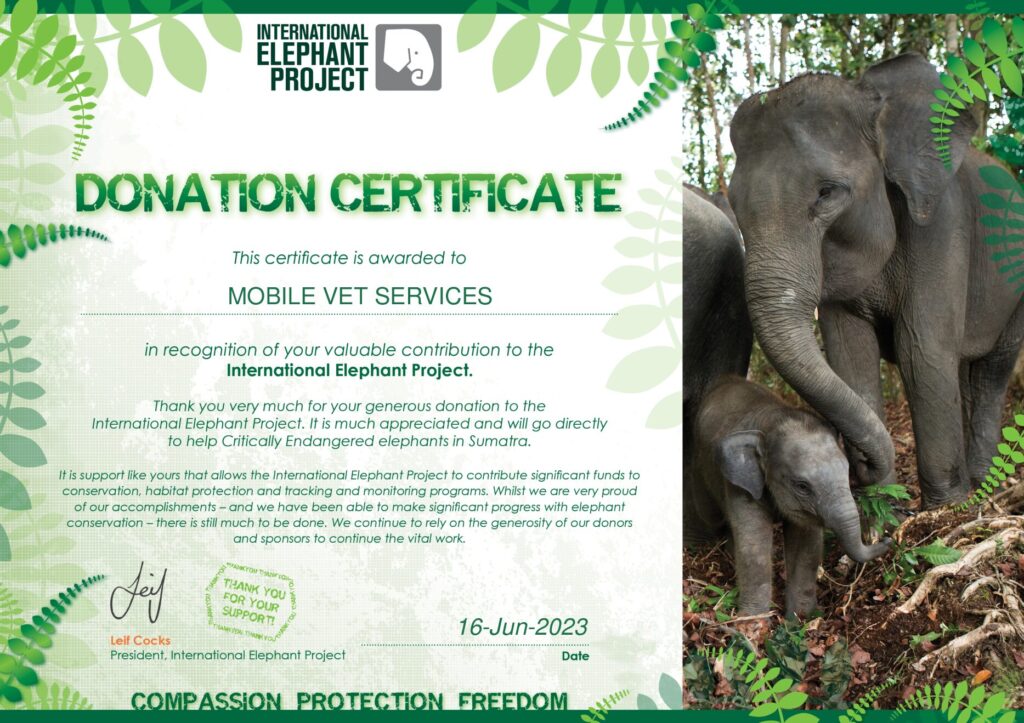
Fantastic project

July 8, 2023 by admin

Filed Under: Elephant Planet, Uncategorized Tagged With: #elephants#environment#author#Africa#wildlife#novel

Kosciusko to Kiandra

April 23, 2022 by admin

When I bought my wonderful warm sleeping bag called the Kiandra, I’d no idea it was named after a real place, neither did I imagine I would one-day hike 135 km from Thredbo to get to there.

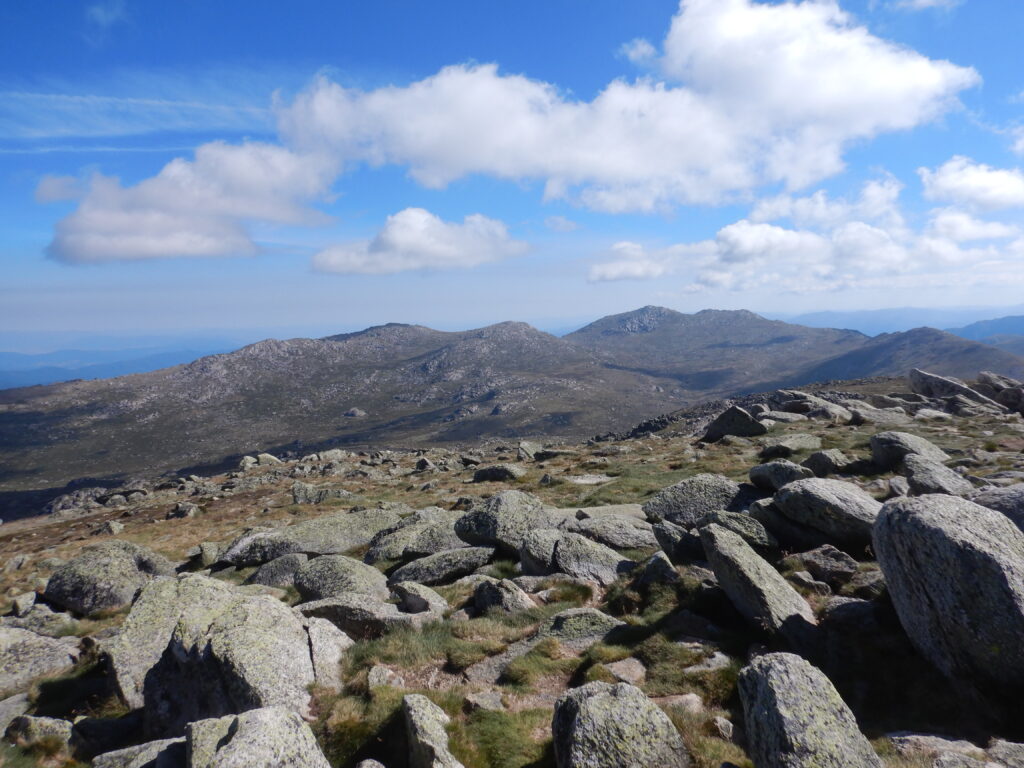
Anya, James, and I were the only takers for this hike after Covid killed a NZ trip planned by a larger group of us.  Our most spectacular scenery came within the first 2 days around Mount Kosciusko and the Rolling Plains. The latter is an area where it’s easy to lose oneself, and I don’t just mean in a spiritual sense. We spent hours getting lost and found and lost and found before we finally descended to Schlink hut where we spent the night. We felt slightly less incompetent when some cross-country cyclists described how they’d got lost there the year before and had to abandon their bikes. They managed to walk to safety and used the GPS marked point to retrieve their bikes a couple of days later.

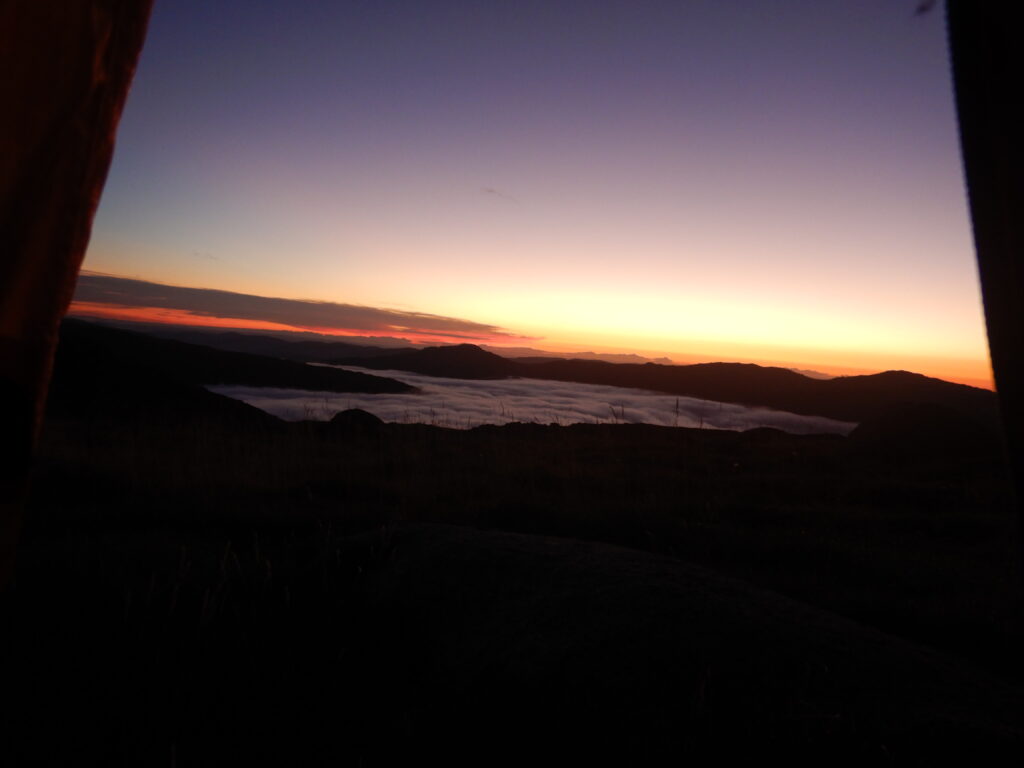
Despite this, the bolder shrewd landscape with its panoramic views and mossy tarns took our breath away. We wouldn’t have asked to be anywhere else, and the first campsite on a ridge provided a million-dollar view which I enjoyed through my open tent door.

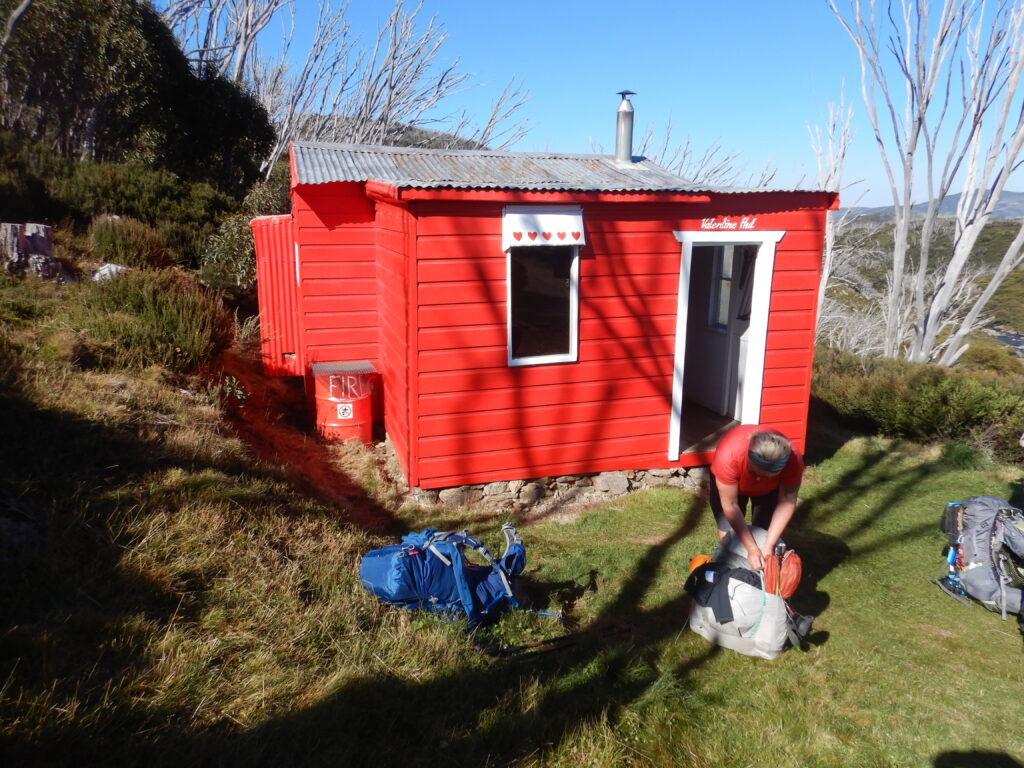
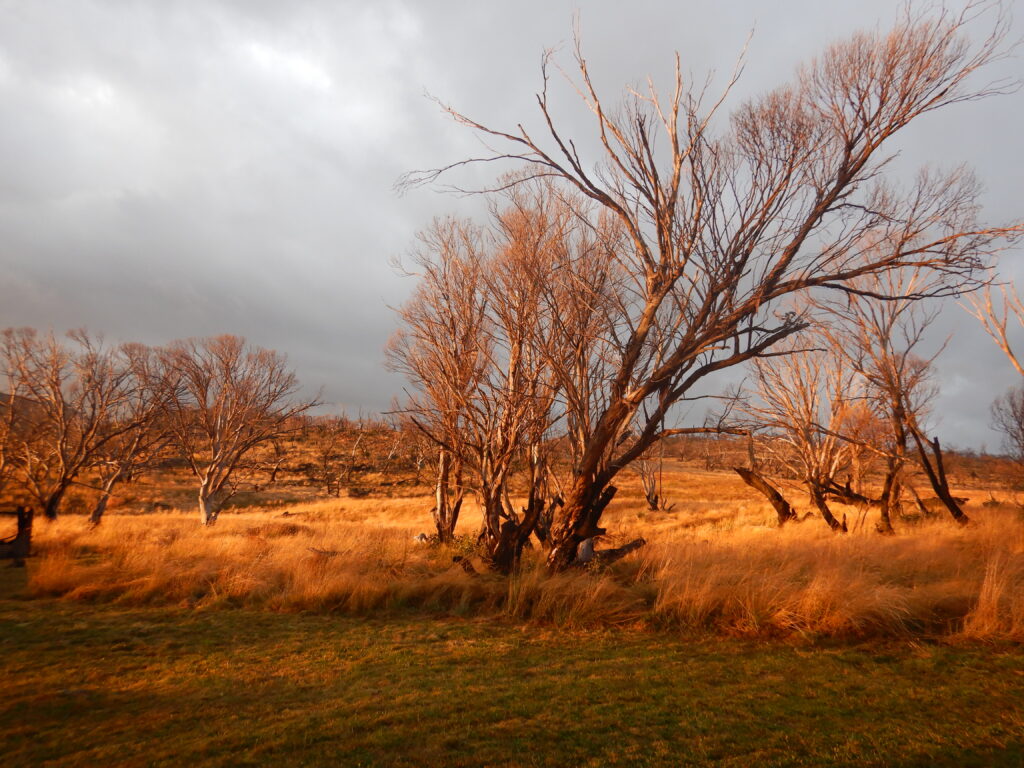
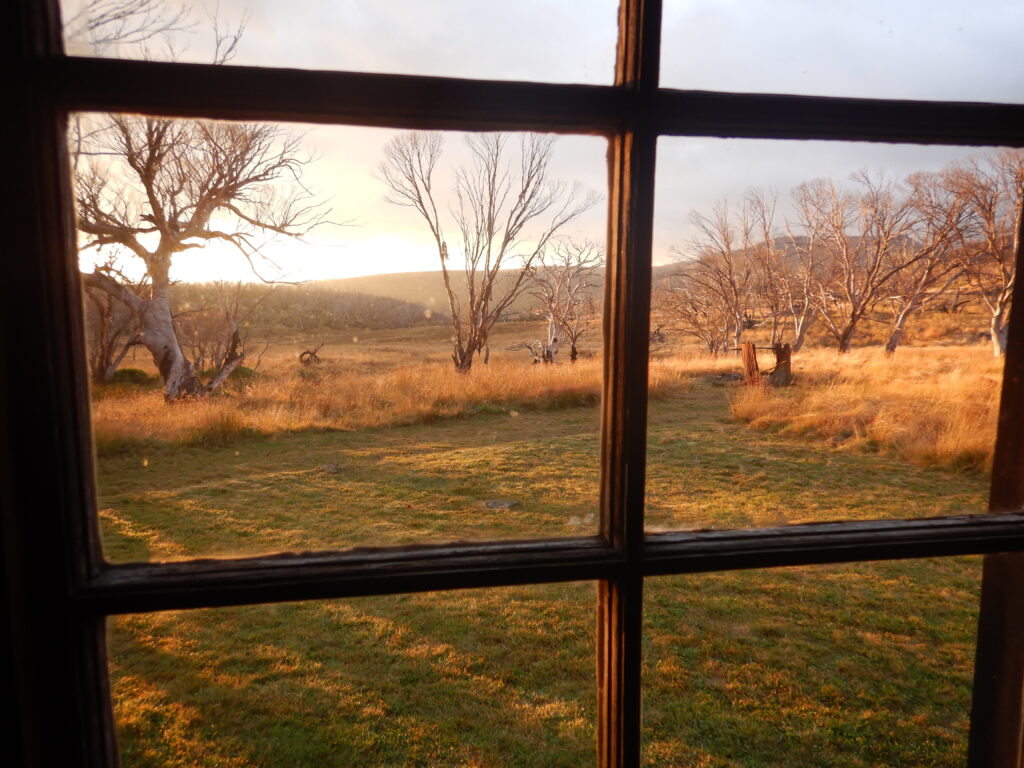
After Valentines hut, newly-painted bright red, the scenery evolved into open grassy plains and snow gum country. We took 4 days to cross this lower section of the Snowy Mountains. The area was less lovely than usual due to the 2013 and 2020 fires, which ravaged the region. The skeletons of the once vibrant snow guns have a sad sort of beauty, but I found it heartbreaking to walk through their vast graveyards. Their recently blackened trunks or the bleached white limbs of older victims were starkly silhouetted against a huge blue sky. I felt sickened by the thought of the wild creatures that perished here so brutally. It’s surprising how little has been done to help resurrect such a damaged ecosystem. Even a few nesting boxes would not cost us so much.

The wildlife was sparse apart from a couple of black snakes that slithered quickly out of my way—as frightened of me as I was of them. A few observant crows watched as we passed below, and occasionally parrots screeched from high above. We were excited to find a couple of wombat holes.  It will take so long for this area to recover properly–if it ever does. The big old trees will certainly not regrow in my lifetime.

Our last night is at O’Keefe’s hut.  The area around it was newly mowed, presumably by the wonderful woman who maintains this hut. We met her and her son doing maintenance on Valentines hut a few days previously.

The last morning we walked out to Kiandra, a ghost town from the gold rush days. The road past it was busy with trucks and travellers on their way through the mountains. Only briefly, did it occur to me that we could have saved ourselves the long walk and just driven there.

Filed Under: Hiking, Uncategorized Tagged With: #conservation #environment #elephants #novel

Whitsunday Paradise

January 27, 2022 by admin

The weather forecast for our five-day Whitsunday kayak was bad enough to generate a discussion of postponing the whole trip. Fortunately, no one wanted to pull out, and the forecast proved to be wrong.

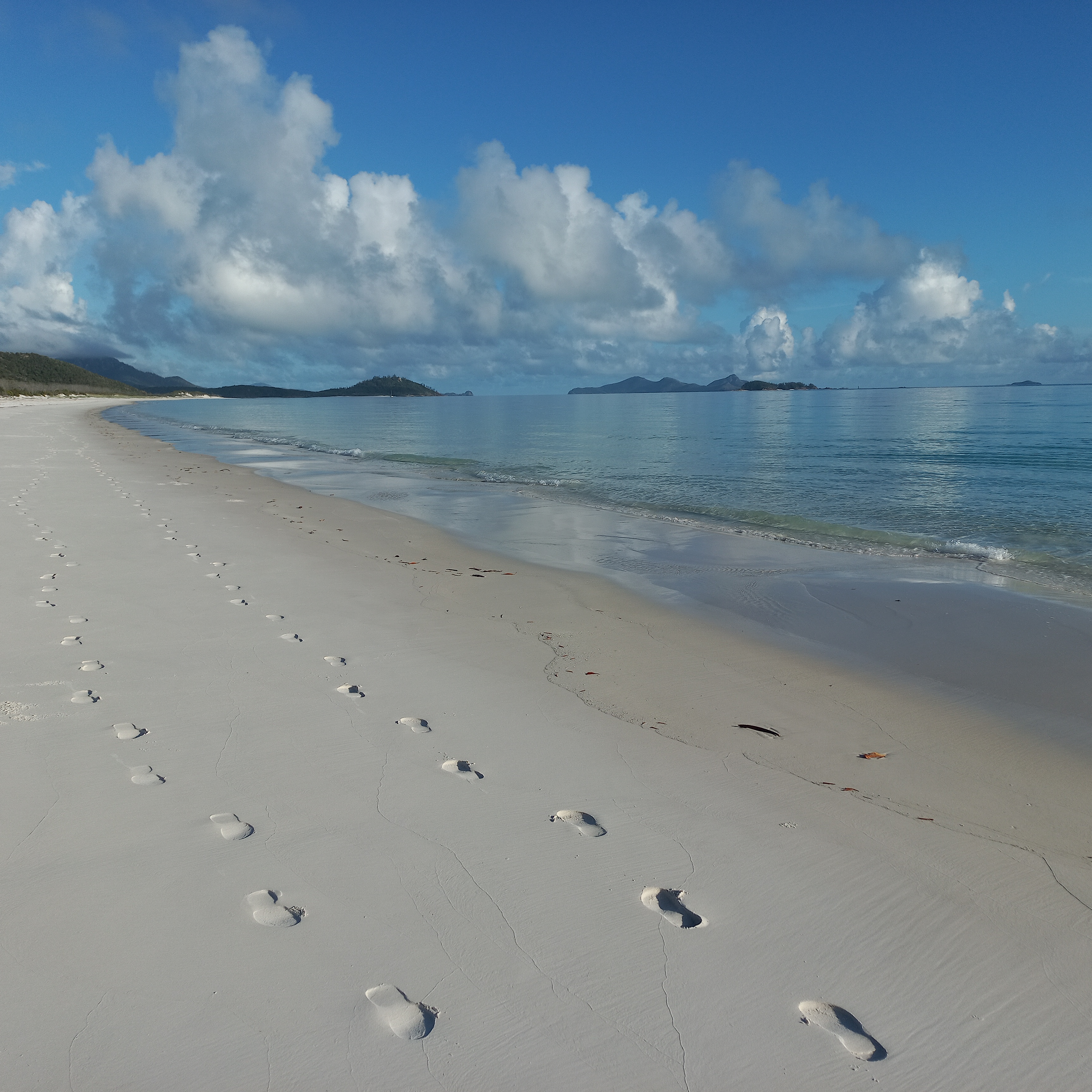
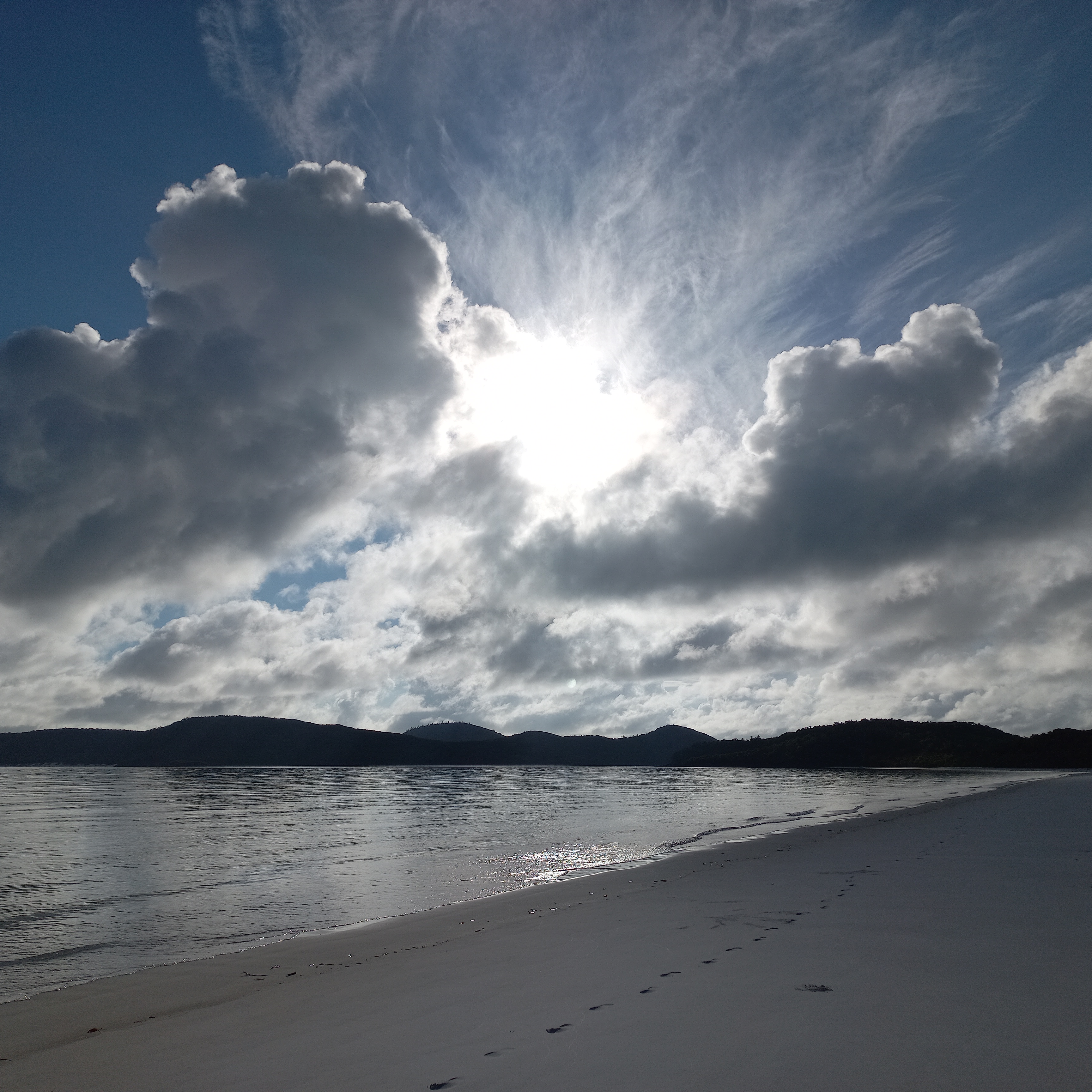
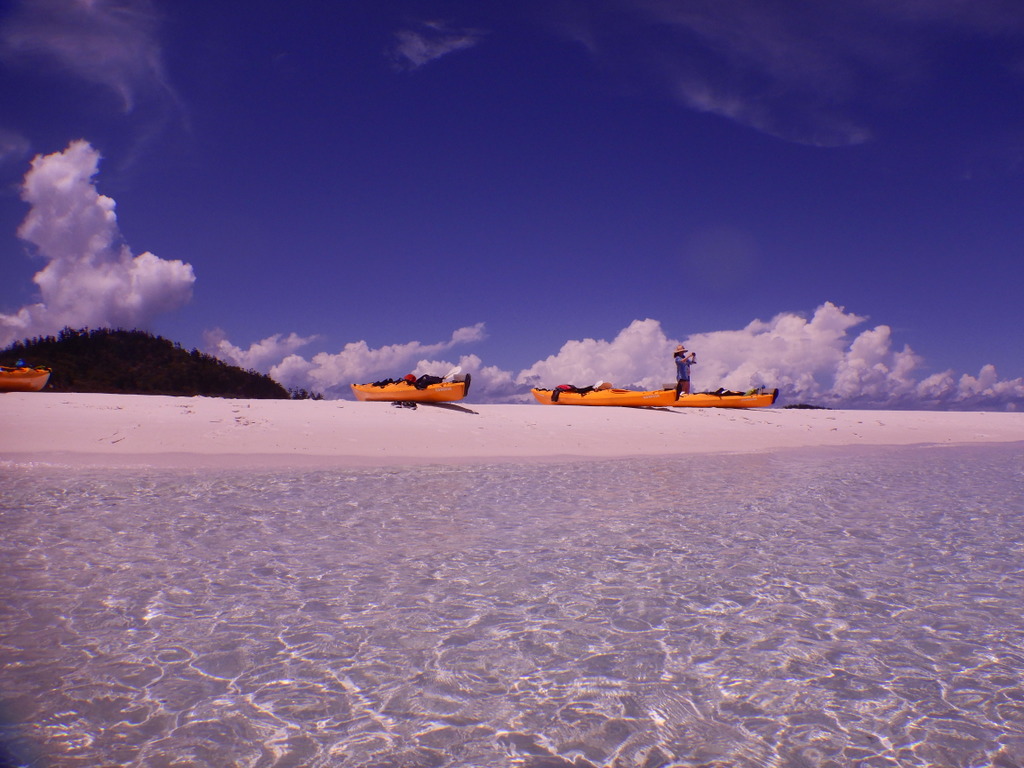
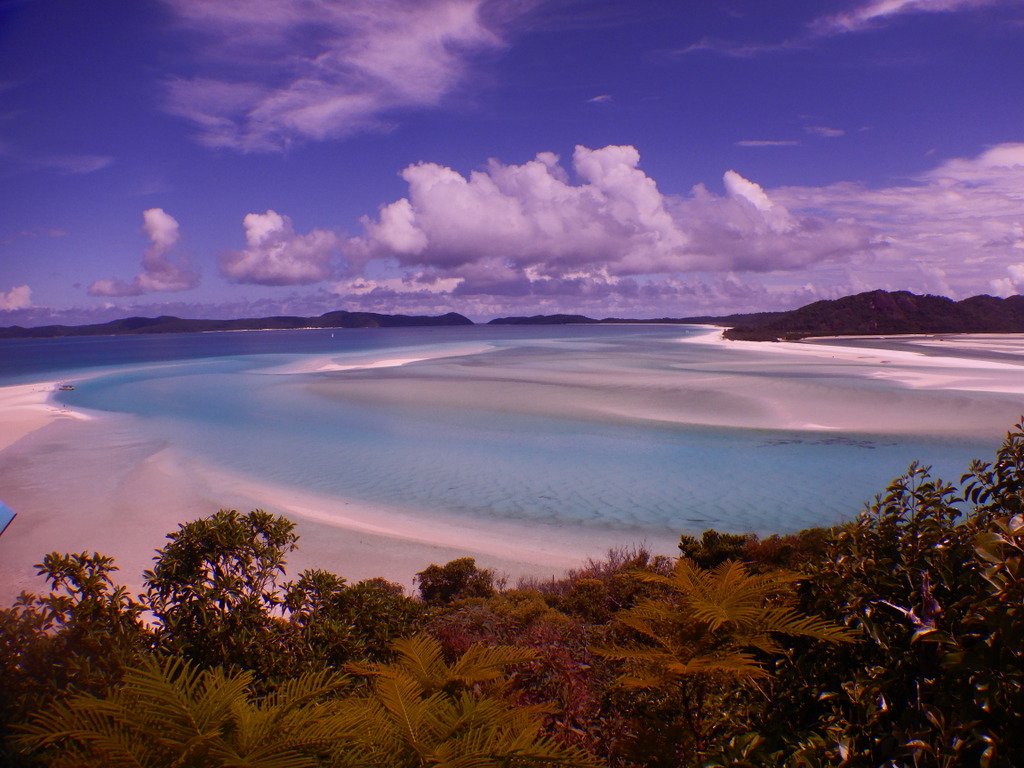
After much organization to ensure we had enough food and water to last 5 days, we were picked up with our kayaks by a ferry for a scenic ride around the bottom of Whitsunday Island. An hour later we unloaded onto the white powdered sands of Whitehaven beach, world-famous for good reasons, where we set up camp. Then, eager to make the most of our time, we paddled across to a nearby island to spend the late afternoon snorkeling around a headland.

It quickly became obvious why the Whitsundays are so popular. In between kayaking, we had plenty of opportunities to do short hikes and snorkels, each viewpoint and beach with its own unique beauty.

Only on one morning did it pour down in the predawn hours. The rain stopped just long enough for us to semi-dry, eat breakfast, and pack. It then pelted on us once we were out at sea in our double kayaks. A delightful experience. Our waterscape was shrouded in mist. Pale luminescent spheres pinged off the olive-green water around us, the heavy drops seeming to bounce off the ocean’s skin.

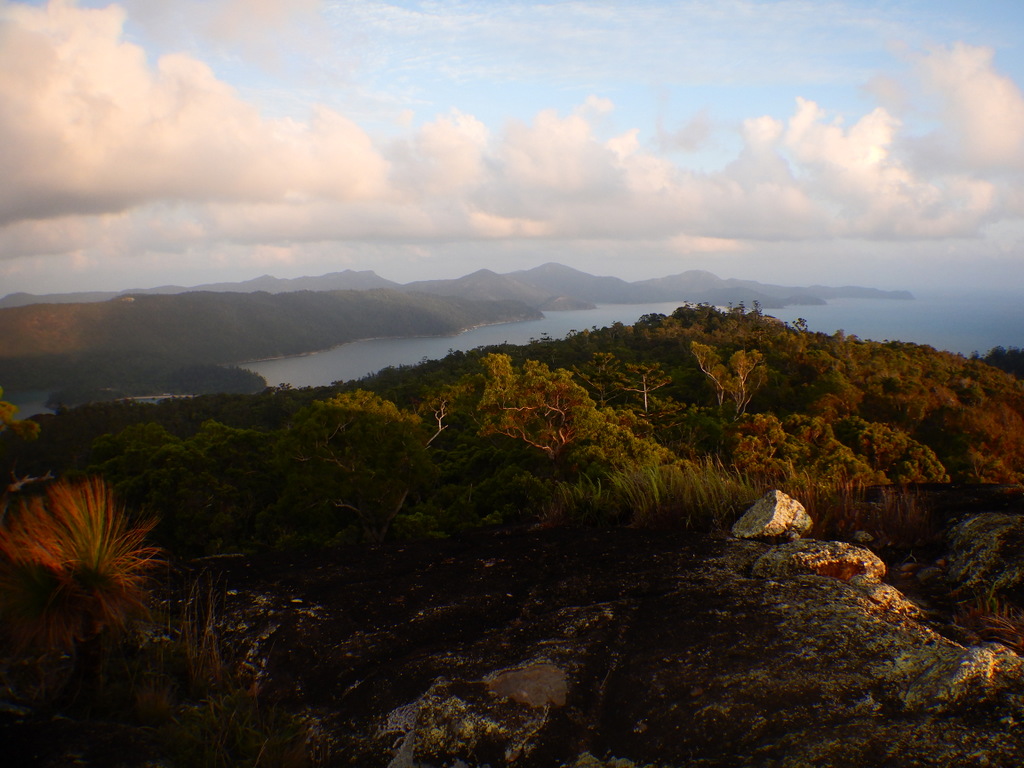
Although the view from the northern lookout over Whitehaven beach is to die for, our most spectacular walk was from Crayfish Beach up to a viewpoint on the third evening. One of our group, a fit determined engineer, was pregnant, but undaunted by the 1-hour hike to the top, as she climbed steeply over rocks and tree roots, wearing thongs.

At the top were interrupted 360 views of Whitsunday and Hook Island, and we were treated to a spectacular sunset. The whoop-whoop-woos of several peasant coucals echoed across the tops of the forest canopy. With the sun below the horizon, we descended along the craggy backbone of Whitsunday Island almost in the dark, the sky streaked orange and red all around.

On our final morning, we had a spare couple of hours before pick up from our campsite, a sheltered sandy cove. To kill time, we paddled to revisit a nearby beach and filled our now-empty food bags with rubbish. It was sad to see a couple of these smaller more windswept beaches covered in plastic.

After our pickup arrived to return us to Airlie beach, we were reminded of what the Whitsundays means to so many. We shared our small barge with 3 scantily clad Brazilian couples. Already tipsy at 9 AM, they’d missed their assigned collection time and our barge was forced to do a repeat trip. Crates of alcohol and empty bottles were loaded. The gorgeous girls gave everyone an eye-full, with their tiny bikini tops, and their slim G string bottoms openly displayed as the breeze fluttered tiny skirts upward, Marilyn Monroe style. With our salt impregnated hair, clothes, and our zinced faces, we looked worse than poor cousins, even though that was not how we felt.

Our captain dashes our self-satisfaction at leaving the beaches cleaner than we found them when he tells us that the big freighters from overseas dump much of their rubbish overboard in the nearby shipping channel to avoid some of the hefty disposal fees due on docking.

‘Another couple of weeks it will all be back there again,’ he says, ‘But good work anyhow!’

Filed Under: Hiking, Uncategorized Tagged With: #conservation #environment #novel #author #elephants

Boots and All

December 27, 2021 by admin

As camping spots for the Jatbula hike in the Northern Territory were booked out within an hour of their release, we felt fortunate to get a last spot, despite it being the end of season September heat. On the day before we left, our reconnaissance paddle in kayaks along the Katherine Gorge in 40 degrees centigrade had us concerned about how we’d manage the 5-day hike.

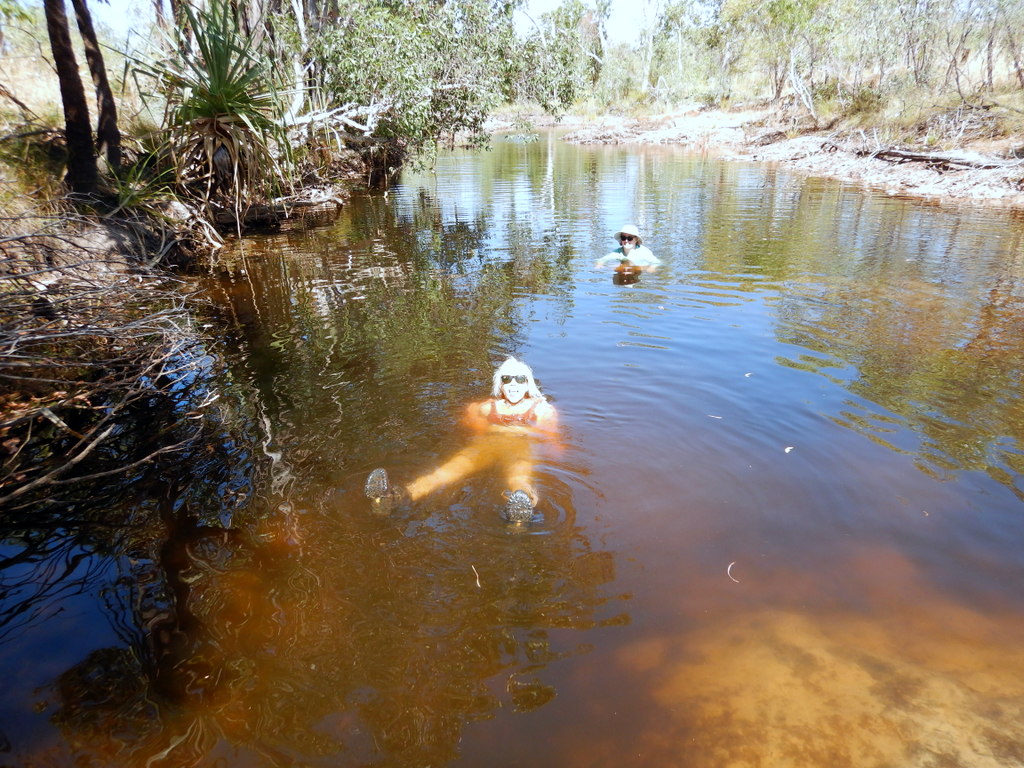
Advice about not hiking in the hottest part of the day and that we should consume a lot of electrolytes came thick and fast. Only the temptation of swimming holes and waterfalls near camp sites kept us motivated. It didn’t take long before Jen developed a boots-and-all approach to swimming holes along the way. To be honest, many of them were merely water puddles. Jen concluded they weren’t worth the effort of undressing for.

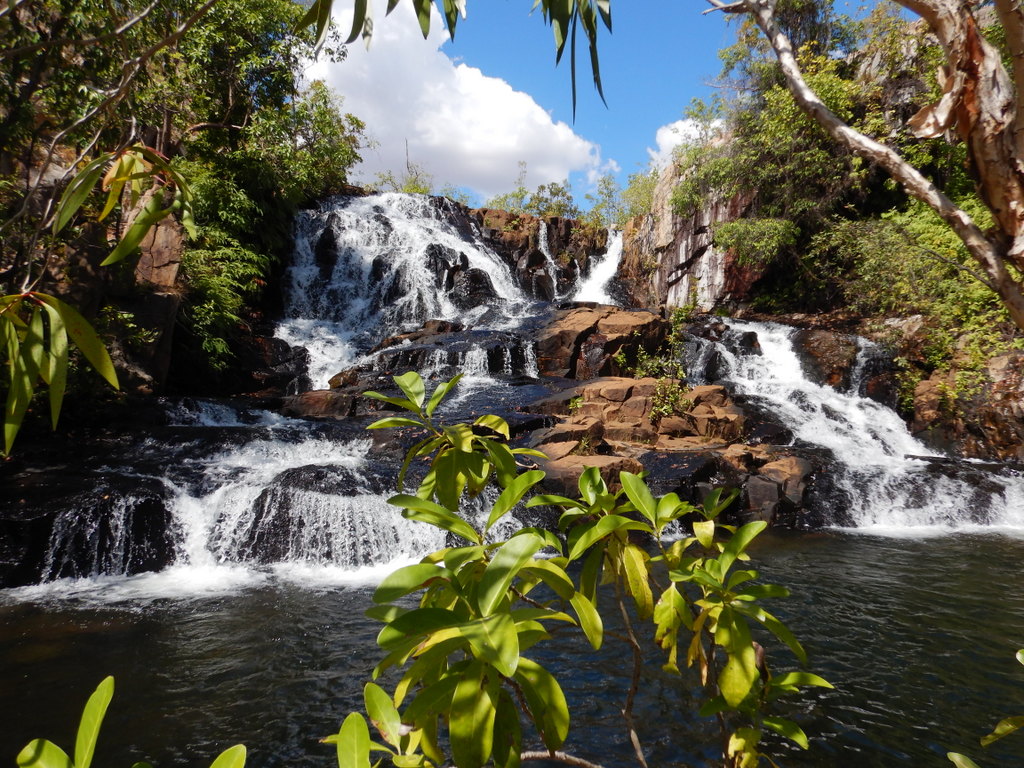
However, the campsites were gorgeous. Our first night above Biddlecombe Cascades won the award for scenic beauty with crystal clear ponds at the top and a cool, deep rock pool between the high and low sections of the waterfall.

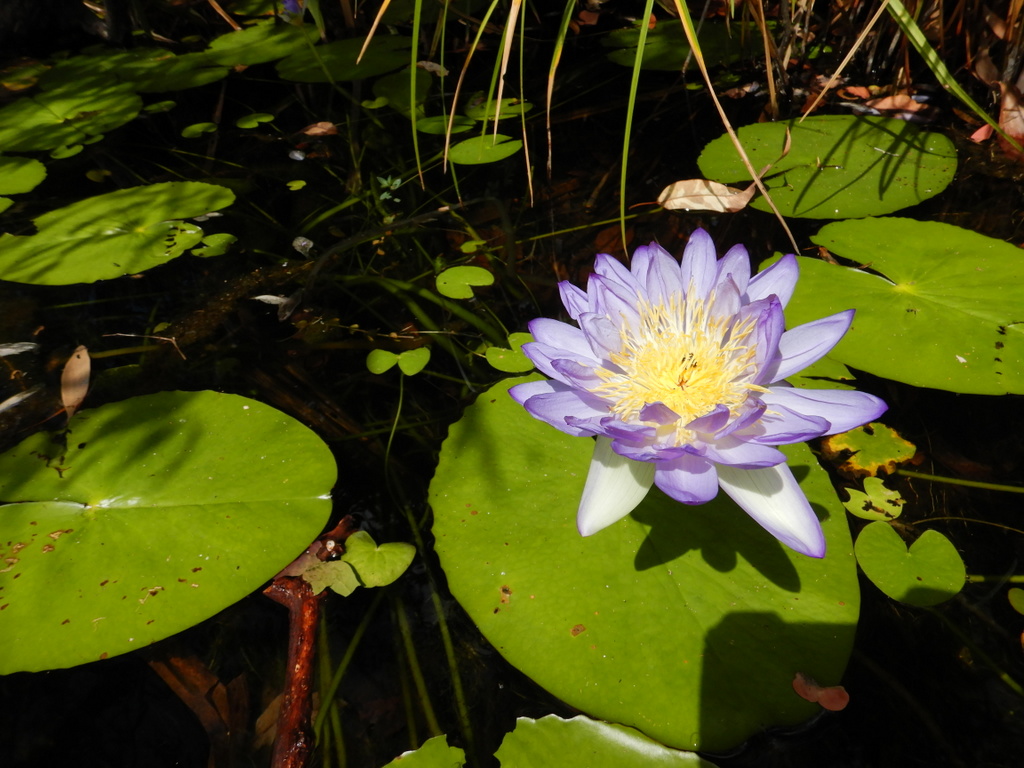
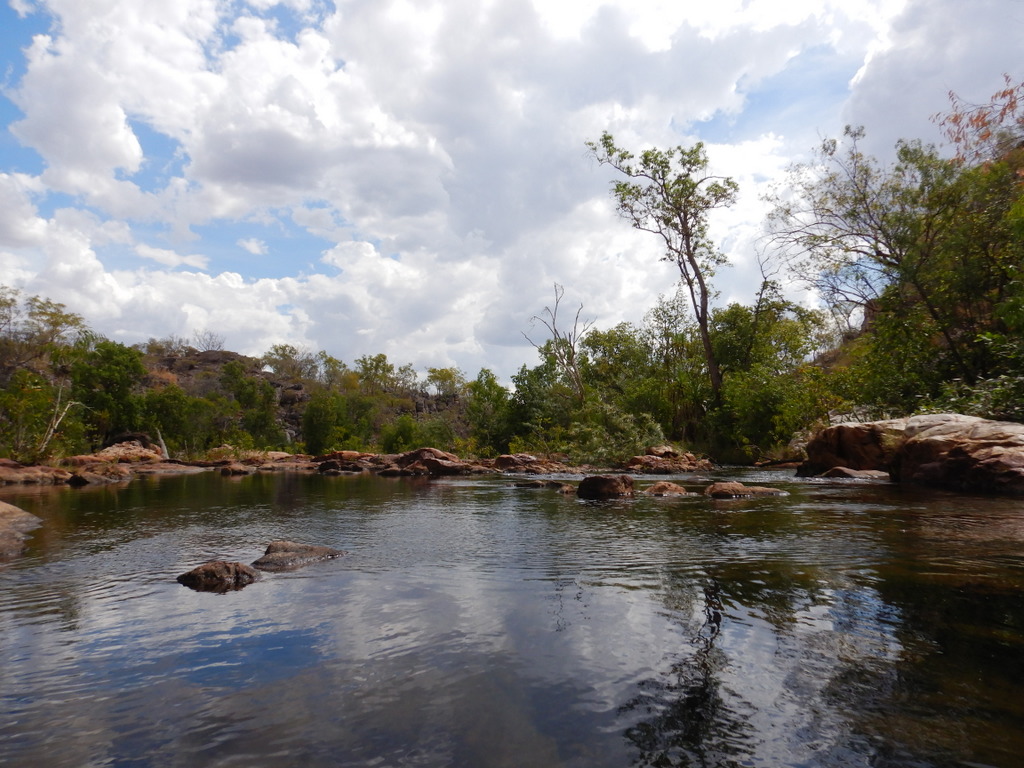
It was amazing how fast even those of us who are not early risers adapted to packing up camp in the dark to avoid hiking in blistering afternoon temperatures. Each morning, at daybreak, our 6 humpbacked silhouettes climbed away from the relative cool of the water source. Any murky pond along the way was invitation us to dip our shirts, hats, or bodies into it. Without them we’d have been sad vegemites; with them, we were chirpy hikers on a mission. Our destination campsites were along water-holey sections of the Edith river, lined with lily pads and lotus flowers.

On our third evening, a gorgeous gang of red-tailed black cockatoos kept us company, their melodious calls filling the air and drowning out the cawing of the crows, who waited patiently for opportunities to raid the campsite. None of us lost any food, but Darcy’s gear gained a few extra holes.

We must have swum with freshwater crocodiles, although none of us were lucky enough to see one. The rangers assured us that their scarier saltwater relatives were absent from all but one waterhole along the way, where we’d been warned not to swim. Strangely enough, none of us had any inclination to do so. Etched in my mind is the memory of a news article, where a Kakadu tour guide took 2 of his female travellers for a swim across a lily-pond lagoon. The girl at the back felt the water displacement below her before the crocodile surfaced just ahead to pull her friend under. I’ve always thought it’d have been fairer had the croc chosen the guide instead.

There was no stopping our intrepid crew on our last day of the hike, when temperatures dropped to an icy 36 degrees centigrade for the hike past Sweetwater to Edith falls. I was sad to return to the concrete carpark for our pickup to take us to Katherine’s city-lights. Anyone who has been there will understand my meaning.

Filed Under: Hiking, Uncategorized Tagged With: #environment #conservation #author #novel #elephants

A submerged view of Norfolk Island

October 3, 2021 by admin

As the plane descends through a wispy layer of cloud, I get my first glimpse of Norfolk Island’s pine-covered slopes emerging from miles of deep blue ocean, and I’m reminded of its isolation. A cluster of historic buildings huddles along the island’s southern edge,  along with an intriguing stretch of snorkelling terrain sheltered by a rocky wall. On its ocean side, crested waves foam and pound, but the inside channel looks safe enough and opens into the wineglass shape of Emily Bay. On my first snorkel, I’m to discover this scenic alcove is lined with coral and inhabited by a surprising variety of tropical fish.

Along with snorkelling, scuba diving was the last thing on my mind when I booked a trip to Norfolk, so it was a last-minute impulse to throw in my thickest wetsuit, mask, and fins the day before I left. On an equally tardy Google, I discovered the Norfolk Island diving Facebook page. Mitch responded quickly to my request, and he told me that he takes divers out when his daytime job finishes.

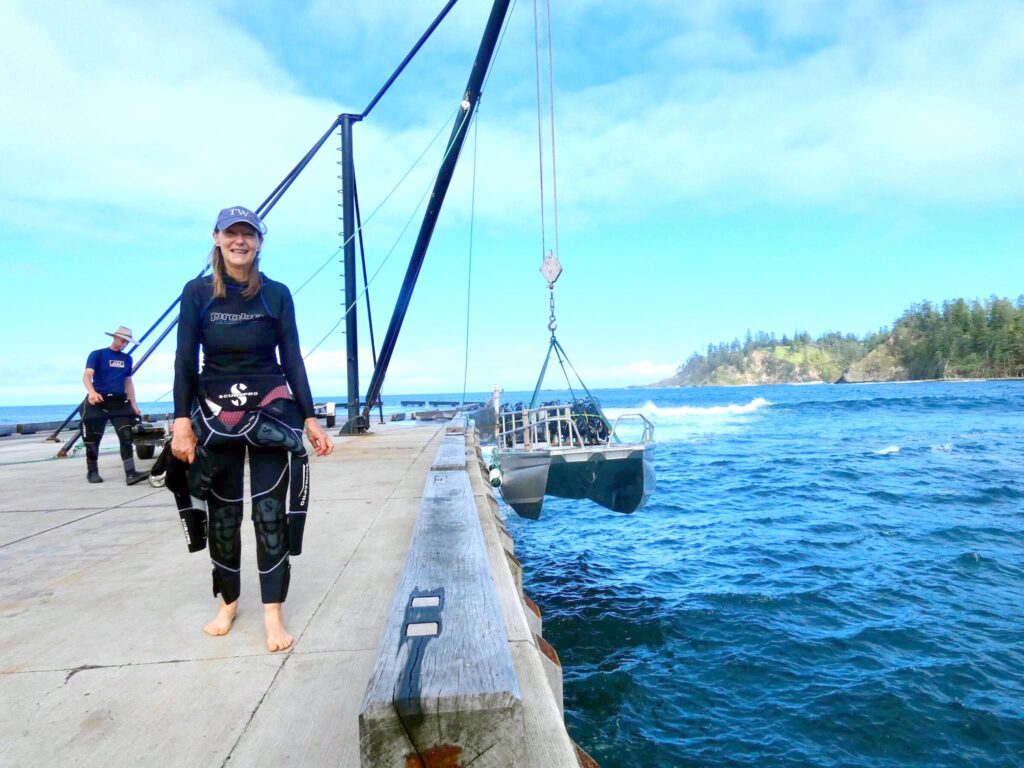
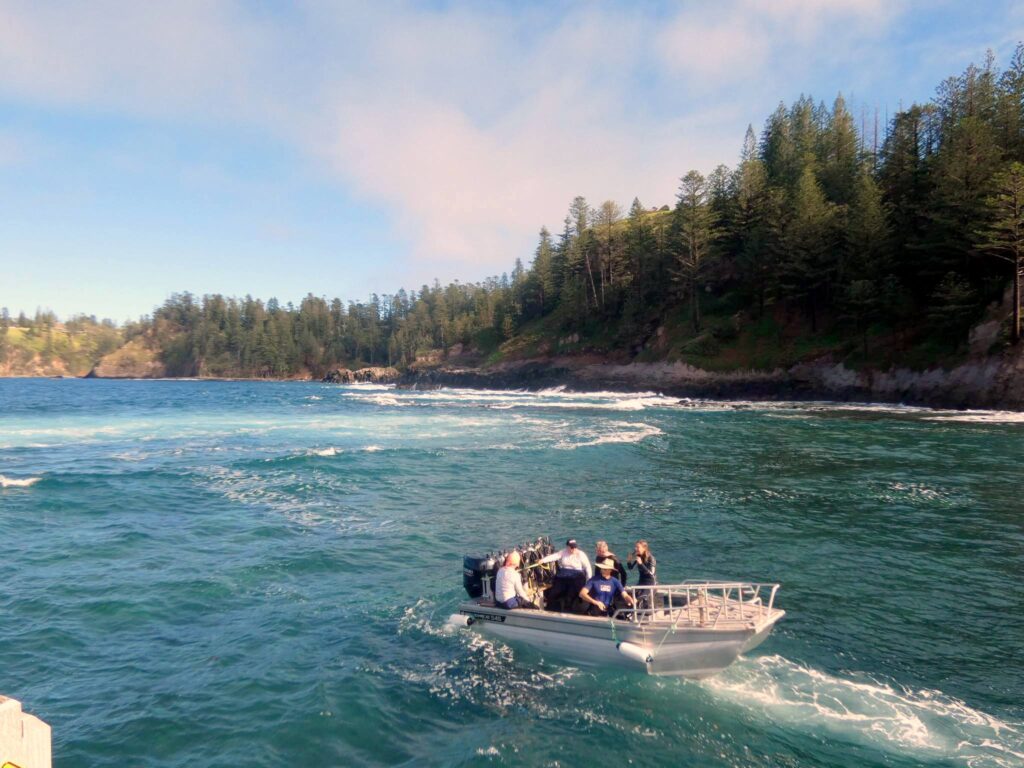
On a sunny morning, I head down to the Kingfisher Pier, where Mitch greets his group of 4 divers with a cheerful smile. His subsequent efficiency instills confidence. The process of boat launching both here and at Cascade pier on the north side involves a crane. As we balance on the boat while it’s lowered into the Pacific Ocean, a couple of divers crack jokes about the foaming swell all around.

Our dive site is only a short ride away, next to where rows of waves break over an exposed rock plateau. As always, the water is calmer below the surface. Down here, the visibility is excellent, and the topography is jagged and surreal. Rocky underwater pinnacles rise out of ledges. Submerged channels lie below. A vast shoal of fish hangs in the water above us. Behind them is a changing mosaic of swirling bubbles below the breakers. A reef shark zigzags through the currents with more energy than the sharks encountered in the warmer waters of North Queensland. 

Like the shark, I fin hard, buffeted by the currents between channels and rocky outcrops. I’m glad for the excuse to keep my body temperature up, as I’m wimpy enough to find the 22 degrees centigrade water uncomfortable. It’s strange to be cold but at the same time surrounded by stretches of healthy coral and brightly coloured fish. Banded pharma fish have spaced themselves territorially apart and they jealously guard their coral bommies. They swim aggressively toward my mask and only veer away at the last moment when they realise I’m not giving in to their bossy behaviour.

As we ascend for a safety stop, a school of inquisitive trevally starts to encircle us. Their numbers swell until a silvery spiral of fish surrounds us. A fantastic end to a great dive.  Back on deck, Mitch serves up mugs of much appreciated hot tea. Meanwhile, his off-sider teases him about his extensive marketing budget that amounts to nothing more than his Facebook page. Considering how easy it was to find him and then dive with him, I reflect he has made quite a sensible choice.  

Filed Under: Uncategorized Tagged With: #environment # conservation #elephants #novel #author

  • Page 1
  • Page 2
  • Page 3
  • Page 4
  • Go to Next Page »

Copyright © 2026 · Author Pro on Genesis Framework · WordPress · Log in